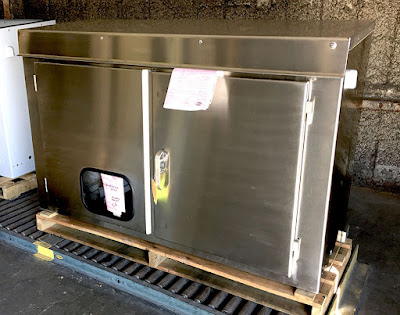
Showing posts with label custom metal fabrication. Show all posts

Wednesday, 6 May 2026

Why Custom Metal Fabrication Matters in Kiln Car Manufacturing

In industries such as brick production, ceramics, and high-temperature material processing, kiln cars play a critical role in maintaining smooth and efficient operations. These heavy-duty transport systems move products through tunnel kilns while enduring extreme heat, constant loading cycles, and demanding industrial conditions.

Because kiln cars operate in such harsh environments, manufacturers cannot rely on generic solutions. This is where custom metal fabrication becomes essential. From structural durability to heat resistance and wheel performance, precision fabrication directly impacts the efficiency, lifespan, and reliability of kiln car systems.

For industrial manufacturers across the USA, investing in properly fabricated kiln cars can improve production efficiency, reduce maintenance costs, and minimize operational downtime.

What Is Custom Metal Fabrication?

Custom metal fabrication is the process of designing, cutting, shaping, welding, and assembling metal components to meet specific industrial requir

In kiln car manufacturing, this process often involves:

  • Precision cutting and forming

  • Heavy-duty steel fabrication

  • Welding specialized components

  • Machining wheel assemblies

  • Building heat-resistant structural frames

Unlike mass-produced parts, custom fabrication ensures every kiln car is designed to handle the exact operational demands of a facility.

Why Kiln Cars Require Specialized Fabrication

Kiln cars operate under unique conditions that place constant stress on their components.

These conditions include:

  • Extremely high temperatures

  • Heavy product loads

  • Continuous movement on rail systems

  • Thermal expansion and contraction

  • Exposure to dust and industrial debris

Standard fabricated products may not withstand these challenges for long periods. Custom fabrication allows manufacturers to engineer kiln cars specifically for these operating conditions.

Improved Durability for High-Temperature Environments

One of the biggest advantages of custom metal fabrication is enhanced durability.

Kiln cars must maintain structural integrity even after repeated exposure to extreme temperatures. Using high-quality materials and precise fabrication techniques helps prevent:

  • Warping

  • Cracking

  • Structural weakening

  • Premature equipment failure

Manufacturers often use heavy-duty steel and reinforced assemblies to increase the lifespan of kiln cars operating in demanding industrial environments.

Better Load Distribution and Structural Strength

Different manufacturing operations handle different products, weights, and production capacities.

Custom fabrication ensures kiln cars are built with:

  • Proper frame reinforcement

  • Balanced load distribution

  • Application-specific dimensions

  • Optimized support structures

This level of customization reduces stress on individual components and improves the overall stability of the kiln car during operation.

In industries where production efficiency is directly tied to material handling performance, structural reliability is essential.

Precision Engineering Improves Operational Efficiency

Precision matters in kiln car manufacturing. Even small inaccuracies in fabrication can create major operational problems over time.

Custom-fabricated kiln cars are designed with precise measurements that help:

  • Maintain rail alignment

  • Improve wheel tracking

  • Reduce vibration during movement

  • Minimize uneven wear

This level of accuracy leads to smoother operation and lower maintenance requirements.

For facilities running continuous production schedules, operational efficiency can significantly impact overall profitability.

The Importance of Kiln Car Wheels

The wheels are among the most critical components of any kiln car system.

Poorly manufactured wheels can lead to:

  • Increased rolling resistance

  • Rail damage

  • Wheel deformation

  • Unexpected downtime

Custom metal fabrication allows manufacturers to produce wheel assemblies designed specifically for:

  • Heavy loads

  • High temperatures

  • Continuous industrial use

Many facilities prefer forged steel wheels because of their durability and resistance to cracking under pressure.

Custom Fabrication Supports Longer Equipment Lifespan

Replacing kiln cars can be expensive and disruptive to production schedules. Proper fabrication helps extend equipment life by ensuring components are built to handle real-world operating conditions.

Custom-fabricated kiln cars often provide:

  • Better wear resistance

  • Improved structural stability

  • Reduced maintenance frequency

  • Lower replacement costs over time

While custom solutions may require a higher upfront investment, they often reduce long-term operational expenses significantly.

Flexibility for Different Industries

Kiln cars are used across several industrial sectors in the USA, including:

  • Brick manufacturing

  • Ceramic production

  • Refractory processing

  • Industrial furnaces

  • Material handling operations

Each industry has unique production requirements. Custom fabrication allows manufacturers to tailor kiln car systems to specific operational needs instead of relying on one-size-fits-all equipment.

This flexibility helps improve production performance while meeting industry-specific standards.

Advanced Welding and Machining Capabilities Matter

High-quality kiln car manufacturing depends heavily on advanced welding and machining processes.

Precision welding helps create:

  • Strong structural joints

  • Leak-resistant assemblies

  • Consistent component alignment

Meanwhile, precision machining ensures:

  • Accurate wheel assemblies

  • Smooth movement on rails

  • Proper fitment of fabricated components

Combining these capabilities results in stronger and more reliable kiln car systems.

Corrosion Protection and Surface Finishing

Industrial environments can expose kiln car components to moisture, chemicals, and abrasive materials.

Custom fabrication often includes protective finishing options such as:

  • Industrial powder coating

  • Heat-resistant coatings

  • Corrosion-resistant surface treatments

These finishes help extend component life and improve long-term reliability.

Proper surface protection is especially important in facilities where environmental exposure accelerates wear and deterioration.

Reduced Downtime and Maintenance Costs

Downtime is one of the most expensive challenges in industrial manufacturing.

When kiln cars fail unexpectedly, production delays can quickly affect:

  • Output levels

  • Delivery schedules

  • Labor efficiency

  • Maintenance budgets

Custom-fabricated kiln cars are designed to reduce these risks through:

  • Higher-quality materials

  • Reinforced structures

  • Precision manufacturing

  • Application-specific engineering

Reliable equipment helps facilities maintain consistent productivity while reducing emergency repairs.

Choosing the Right Kiln Car Manufacturer

Selecting the right fabrication partner is essential for long-term performance.

When evaluating a manufacturer, consider:

  • Experience in industrial fabrication

  • Advanced machining and welding capabilities
  • Quality control standards

  • Material selection expertise

  • Ability to provide custom solutions

A knowledgeable manufacturer understands the operational demands of kiln systems and can recommend fabrication solutions tailored to your facility.

Final Thought

Custom metal fabrication plays a vital role in the performance, durability, and efficiency of modern kiln car manufacturing. From structural integrity and wheel performance to heat resistance and operational reliability, every detail matters in high-temperature industrial environments.

For manufacturers across the USA, investing in custom-fabricated kiln cars helps improve productivity, reduce maintenance costs, and extend equipment lifespan. By focusing on precision engineering and application-specific design, businesses can ensure their kiln car systems continue performing reliably in demanding production environments.

If your operation requires durable, precision-engineered kiln cars and industrial fabrication solutions, Rockett Incorporated offers extensive experience in custom metal fabrication, forged steel wheel manufacturing, and industrial manufacturing solutions designed for demanding applications.

Monday, 19 May 2025

Behind the Heat: How Kiln Car Components Are Engineered for Extreme Environments

In high-temperature industrial environments, every component must perform with precision and resilience. Kiln cars, which transport materials through furnaces or kilns, are no exception. These systems operate under extreme heat and heavy loads, making engineering excellence non-negotiable.

Let’s take a deeper look at how kiln car components, especially the kiln car wheel, are designed to handle intense thermal and mechanical stress. It’s also worth exploring how custom metal fabrication plays a critical role in ensuring durability and performance.

Kiln Car

Kiln Cars: The Backbone of High-Heat Industries

Kiln cars are essential in manufacturing settings like ceramics, brick, and refractory production. They carry raw or processed materials through the heart of the kiln, where temperatures can exceed 2,000°F. Due to the extreme conditions, every element of the kiln car, from the structure to its wheels, must be engineered for strength, heat resistance, and reliability.

Why the Kiln Car Wheel Matters

One of the most overlooked yet vital components is the kiln car wheel. These wheels must support massive weight while remaining stable under constant exposure to high temperatures. A standard wheel simply won't do. These are specialized components, designed with heat-resistant alloys and precision bearings to ensure they won’t warp, degrade, or fail mid-process.

Designing these wheels involves careful consideration of factors such as:

  • Load-bearing capacity
  • Thermal expansion and contraction
  • Resistance to friction and thermal shock
  • Smooth, low-friction motion over time

Without a properly engineered kiln car wheel, the entire production line could be at risk of costly interruptions.

The Role of Custom Metal Fabrication

Standard, off-the-shelf solutions rarely meet the demands of extreme industrial applications. This is where custom metal fabrication comes into play. Custom fabrication allows for the design and creation of components tailored to your specific needs, whether it's a unique wheel design, frame component, or specialized support system.

Key benefits of custom fabrication include:

  • Enhanced performance and longer life cycles
  • Better fit and compatibility with existing systems
  • Optimized materials for high-temperature endurance
  • Reduced downtime through precision engineering

Collaborating with experienced fabricators ensures that each piece functions flawlessly, even in environments that push materials to their limits.

Built to Perform Under Pressure

Designing for extreme environments is not just about surviving the heat, it’s about thriving in it. Materials must endure thermal cycling, heavy mechanical loads, and constant operational stress. Engineering kiln car systems is a delicate balance between strength, precision, and adaptability.

That’s why leading manufacturers rely on partners who understand the complexities of high-heat industrial engineering. From initial design to final installation, the process demands expertise in both mechanical engineering and metalwork.

Final Thoughts

In the world of industrial production, failure is not an option. Every component, especially the kiln car wheel, must be built for peak performance in extreme conditions. The difference lies in the details, details that only expert custom metal fabrication can deliver.

Looking for precision-engineered components that can stand up to extreme heat? Rockett Inc. delivers top-tier kiln car systems and fabrication solutions built to last. Contact us today to discuss your project.

Tuesday, 24 September 2024

The Role of Quality Control in Metal Fabrication

Quality control plays a pivotal role in metal fabrication, helping ensure structural integrity and precision of fabricated products. From custom projects to industrial production runs, quality control ensures each piece meets applicable standards and specifications, providing safety and performance benefits. Let's explore some key aspects of quality control in metal fabrication.

Metal Fabrication


Why Quality Control Matters in Metal Fabrication

1. Upholding Structural Integrity

Metal fabrication products often play an essential role in operating buildings, machines, and infrastructure. A flaw can compromise strength, leading to potential safety risks. With rigorous testing and inspection processes, fabricators can identify and address issues promptly to ensure all components meet performance standards and safety regulations.

2. Fulfilling Specifications for Custom Metal Fabrication

Precision is of the utmost importance for businesses providing custom metal fabrication services. Customers often require unique designs with specific specifications that must be met for the component to fit perfectly into their project. Quality control processes help fabricators ensure all orders are accurate in terms of dimensions and material quality, building trust with clients while enhancing client satisfaction.

3. Enhancing Efficiency and Reducing Waste

Rigorous quality control ensures the final product meets standards and helps minimize waste. Identifying issues early in production can quickly correct problems before they become costly, such as rework or scrapping defective parts. This gives metal fabricators lower material costs and labor expenses and faster project completion timeframes.

Key Steps in the Quality Control Process

1. Material Inspection

Before commencing any fabrication work, raw materials must be thoroughly inspected for defects such as cracks, corrosion, or any other factors that might compromise their final product.

2. Precise Measurements and Testing

Precision measurements are of the utmost importance during fabrication. Specialized tools and machinery ensure all cuts, bends, and welds meet required tolerances, while strength testing and other mechanical property checks often verify whether the final product can withstand its required environments.

3. Welding Inspection

Welding is integral to metal fabrication projects, but poor welds can drastically weaken a structure's integrity. Visual inspections, X-rays, and other nondestructive testing methods verify weld strength while simultaneously inspecting for defects such as cracks or porosity in welds.

4. Final Product Inspection 

Once fabrication has concluded, the completed product undergoes an in-depth examination to verify its compliance with design specifications. This inspection includes checking surface finish quality, dimensional accuracy, and overall quality before being delivered or installed for delivery or installation.

Choose a Reliable Metal Fabrication Company

When searching for "metal fabrication near me" or custom metal fabrication services, your chosen provider must emphasize quality control. A well-established fabricator should have processes that guarantee each project meets high standards.

No matter the scale of your industrial work or project, fabricators with strong quality control systems guarantee you will receive durable and accurate products.

Conclusion 

Quality control is at the core of metal fabrication, ensuring products meet exact specifications and are strong and reliable. When searching for Mississippi metal fabricators or custom metal fabrication, prioritizing quality should always be at the top of your mind in your selection process. Choosing an established quality management system will save time and money and ensure project success! 

If you're looking for reliable and experienced metal fabricators to handle your next project, look no further than Rockett Inc. With a proven track record in delivering high-quality custom metal fabrication solutions, we prioritize precision, safety, and customer satisfaction. Visit our website to learn more about our capabilities and how we can assist with your unique fabrication needs. Contact us today to get started!

Monday, 12 August 2024

Transform Your Projects with Expert Custom Metal Fabrication

In construction and manufacturing, custom metal fabrication stands out as a vital component that transforms ideas into tangible realities. Whether you are working on architectural elements, industrial machinery, or complex mechanical parts, custom metal fabrication can elevate your project to new heights. This blog explores the multifaceted benefits of custom metal fabrication and how it can enhance your projects' quality, durability, and functionality.

Custom Metal Fabrication


The Essence of Custom Metal Fabrication

Custom metal fabrication refers to the process of cutting, bending, and assembling metal components to produce structures or products tailored specifically to certain requirements. This technique is essential when projects demand precision, uniqueness, and high performance, unlike standard fabrication, which limits design options and material choices and thus limits innovation and tailor-made solutions.

Benefits of Custom Metal Fabrication

1. Precision and Quality

One of the primary advantages of custom metal fabrication is its unmatched precision and quality. Skilled fabricators employ cutting-edge techniques and machinery to craft each piece precisely according to specifications, ensuring it satisfies rigorous standards while flawlessly meeting its intended application.

2. Durability and Strength

Custom-fabricated metal components are known for their exceptional strength and longevity, particularly those constructed of steel, aluminum or stainless steel which feature robustness against wear and tear and make fabricated products an excellent solution for applications that demand longevity and dependability.

3. Versatility of Design

Custom metal fabrication offers unparalleled flexibility in design. Custom fabrication can meet various design requirements to bring their creative visions to life without compromising functionality.

4. Cost-Effectiveness

While custom metal fabrication may appear more expensive than off-the-shelf solutions at first, it often proves more cost-effective over time. By eliminating modifications and repairs that increase downtime and associated costs, custom fabrication reduces maintenance expenses while providing enhanced performance and durability of custom products that provide better value over time.

Applications of Custom Metal Fabrication

1. Electric Energy

Custom metal fabrication is essential in the electric energy sector. It provides essential components for power generation, transmission, and distribution. Custom-fabricated parts ensure reliability and efficiency within electrical infrastructure systems.

2. Power Transmission & Distribution

Custom metal fabrication plays a pivotal role in power transmission and distribution by creating robust components like transmission towers, substations, and switchgear. These parts are tailored specifically for their intended function, to withstand harsh environmental conditions while guaranteeing an uninterrupted power supply.

3. Material Handling

It is common for industries involved with material handling to require custom metal fabrication tailored to their load requirements in order to increase their operational efficiency.

4. Brick & Ceramics

The brick and ceramics industry can benefit greatly from custom metal fabrication through molds, kiln cars, and specialized equipment tailored specifically for high temperatures associated with brick production. Such components must withstand demanding production environments.

Techniques in Custom Metal Fabrication

Metal fabrication uses various techniques to achieve desired shapes and structures. Some of the most common techniques include:

  • Cutting: Metal sheets can be precisely shaped using laser cutting, water jet cutting and plasma cutting techniques. 
  • Bending: Press brakes and other machinery are used to bend metal into specific angles and forms using press brakes and machinery such as press brakes. 
  • Welding: Fusing pieces of metal together to form strong yet seamless joints.
  • Finishing: Utilizing treatments such as powder coating, painting and polishing to enhance appearance while protecting metal against corrosion.

Custom metal fabrication can dramatically elevate the quality and impact of your projects, providing precision, durability, versatility, cost-effectiveness and long-term value for various applications. Working with experienced fabricators ensures your vision comes to life with superior craftsmanship and excellence.

Elevate your projects with precision and quality through our custom fabrication services. Visit Rockett Inc. to discover how our expert team can bring your vision to life. Contact us today to start your journey towards excellence!

Friday, 29 December 2023

Debunking Myths About Metal Fabrication - Insights & Realities

Metal fabrication is an intricate yet essential process across many industries. Here are some common misconceptions about metal fabrication.

Metal Fabrication


Misconception 1: Metal Fabrication Is Only Appropriate for Large Industrial Projects

Metal fabrication is often misunderstood as being limited to massive industrial projects. Yet, its versatility allows it to be applied in everything from creating jewelry pieces and automotive parts down to crafting custom creations for small businesses and individual artisans.

Misconception 2: Metal Fabrication Is Outdated

Contrary to popular belief, metal fabrication is at the cutting edge of technological development. Modern metal fabrication employs cutting-edge methods like laser cutting, CNC machining, and 3D printing for added precision, efficiency, and more creative potential than ever before.

Misconception 3: Metal Fabrication Requires Little Skill

This is one of the biggest misconceptions surrounding metal fabrication: it requires extensive skill and expertise for successful results. Fabricators need a deep understanding of metallurgy, engineering principles, precise machinery operation, and creativity to craft metalwork pieces successfully.

Misconception 4: Metal Fabrication Restrains Design Flexibility

Many people may believe that working with metal limits design possibilities. On the contrary, modern fabrication techniques enable immense creativity and flexibility.

Misconception 5: It Is Bad for the Environment

Environmental issues are critical, and metal fabrication industries have begun incorporating more eco-friendly practices. Recycling scrap metal, using energy-efficient processes, and minimizing waste are ways these industries are taking steps towards becoming more eco-friendly.

Conclusion

Understanding metal fabrication gives us an appreciation of its skill, innovation, and versatility as an industry. Far from being outdated or limited in scope, metal fabrication plays a vital role in modern manufacturing and design processes. Visit https://www.rockettinc.com/capabilities/custom-fabrication/ for more insights into the world of advanced metal fabrication.

Monday, 3 April 2023

Why should we opt for custom metal fabrication?

Custom Metal Fabrication

Custom metal fabrication is a process of designing, creating, and manufacturing metal products according to specific requirements and specifications. It involves using various techniques such as cutting, bending, welding, and assembling metal parts to create a finished product. In recent years, custom metal fabrication has gained popularity due to its numerous advantages. In this blog, we will explore some of the reasons why you should opt for custom metal fabrication.

Tailored to your specific needs

One of the main benefits of custom metal fabrication is that it allows you to create a product that meets your exact requirements. Whether you need a complex machinery part or a simple metal frame, custom fabrication can be tailored to meet your specific needs. You can work with the manufacturer to develop a design that meets your exact specifications, ensuring that you get a product that is tailored to your unique needs.

High-quality materials and craftsmanship

Custom metal fabrication ensures that your product is made with high-quality materials and craftsmanship. Unlike mass-produced products, custom fabrication involves the use of premium materials and advanced manufacturing techniques. This ensures that your product is built to last and can withstand harsh environmental conditions.

Cost-effective

While custom metal fabrication may seem expensive, it can actually be a cost-effective option in the long run. Since the product is tailored to your specific needs, you can eliminate any unnecessary features or components that would add to the cost. Additionally, high-quality materials and craftsmanship ensure that your product will last longer, reducing the need for frequent repairs or replacements.

Flexibility

Custom metal fabrication provides flexibility in terms of design, material, and finish. You can choose from a wide range of materials, such as stainless steel, aluminum, copper, and brass, and select the finish that suits your needs. This flexibility allows you to create a product that matches your specific aesthetic preferences and functional requirements.

Fast turnaround time

Custom metal fabrication can be completed in a relatively short amount of time. Since the product is made to your exact specifications, there is no need for extensive design or testing. Additionally, the manufacturing process can be streamlined to reduce production time, allowing you to receive your product quickly.

In conclusion, custom metal fabrication offers numerous benefits, including tailored products, high-quality materials and craftsmanship, cost-effectiveness, flexibility, and fast turnaround time. If you're looking for a product that meets your exact needs and specifications, custom metal fabrication may be the perfect solution. To know more visit https://www.rockettinc.com/ or call us at 1 (601) 939-2471