Steel vs Stainless vs Aluminum: Which Material is Right for Your Electrical Enclosure
Selecting the right material for an electrical enclosure is more than just a design choice; it directly impacts performance, safety, and long-term reliability. From industrial facilities to outdoor installations, each environment demands specific material properties.

Why Material Choice Is Critical
Electrical enclosures protect vital components from external elements like dust, moisture, chemicals, and physical impact. Choosing the wrong material can lead to corrosion, increased maintenance, and even system failure.
A well-informed material selection helps:
Extend the lifespan of equipment
Improve operational safety
Reduce maintenance and replacement costs
Ensure compliance with industry standards
That’s why many businesses rely on a custom electrical enclosure manufacturer to guide them through material selection based on application needs.
Mild Steel: Reliable and Budget-Friendly
Mild steel is a popular choice due to its strength and affordability. It is widely used in controlled environments where exposure to moisture or chemicals is limited.
Advantages
Strong and durable for structural applications
Cost-effective for large-scale production
Easy to fabricate, weld, and modify
Drawbacks
Susceptible to rust if not coated properly
Requires finishes like powder coating for protection
Not ideal for outdoor or corrosive environments
Where It Works Best
Mild steel is well-suited for indoor electrical panels, factory settings, and projects where budget is a key factor.
Stainless Steel: High Performance in Tough Conditions
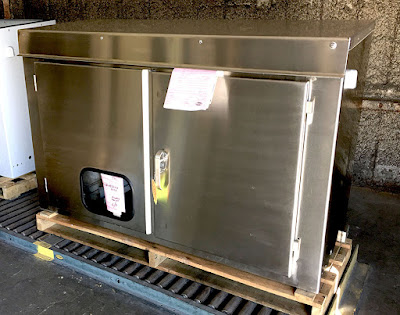
Stainless steel stands out for its exceptional resistance to corrosion and ability to perform in harsh environments. It is often used in industries where durability and cleanliness are critical.
Advantages
Superior resistance to rust, chemicals, and moisture
Long-lasting with minimal maintenance
Hygienic surface, ideal for sensitive environments
Drawbacks
Higher upfront cost compared to mild steel
Heavier material, which may impact installation
More complex fabrication process
Where It Works Best
Stainless steel is commonly used in outdoor applications, marine environments, food processing plants, and pharmaceutical facilities where reliability is non-negotiable.
Aluminum: Lightweight and Corrosion-Resistant
Aluminum is known for its lightweight nature and natural resistance to corrosion, making it a versatile option for many applications.
Advantages
Easy to transport and install due to low weight
Naturally resistant to corrosion without additional coatings
Good thermal conductivity for efficient heat transfer
Drawbacks
Lower strength compared to steel
May require reinforcement for heavy-duty applications
Slightly higher cost than mild steel in some cases
Where It Works Best
Aluminum is ideal for outdoor enclosures, wall-mounted units, and applications where reducing weight is important without sacrificing durability.
Key Differences to Consider
When comparing these materials, it’s important to focus on practical factors rather than just specifications.
Cost Efficiency: Mild steel is the most economical, while stainless steel requires a higher investment but offers long-term value. Aluminum sits in between, depending on the application.
Corrosion Resistance: Stainless steel provides the best protection, followed by aluminum, while mild steel depends heavily on coatings.
Strength vs Weight: Steel options offer superior strength, whereas aluminum provides flexibility with reduced weight.
Maintenance Needs: Stainless steel and aluminum require less upkeep, while mild steel needs regular inspection if exposed to moisture.
How to Choose the Right Material
To make the best choice, consider your specific project requirements:
Environment
If your enclosure will be used indoors, mild steel is often sufficient. For outdoor or corrosive conditions, stainless steel or aluminum is a better fit.
Budget
Projects with tight budgets may benefit from mild steel, while long-term investments often justify the use of stainless steel.
Installation Needs
If ease of handling and installation is important, aluminum offers a clear advantage due to its lightweight properties.
Longevity
For applications where durability and minimal maintenance are priorities, stainless steel is typically the best option.
Collaborating with an experienced electrical enclosure manufacturer ensures that these factors are properly evaluated before finalizing your design.
Final Thoughts
Selecting between mild steel, stainless steel, and aluminum ultimately comes down to your application requirements, environment, and long-term expectations. Each material offers its own balance of strength, corrosion resistance, cost, and maintenance needs.
A clear understanding of these differences helps ensure your enclosure performs reliably while minimizing future issues. If you're planning your next project, working with an experienced custom electrical enclosure manufacturer can simplify the decision-making process and ensure the right material is chosen from the start.
With proven expertise in metal electrical enclosures fabrication, Rockett Inc supports complex industrial needs with precision and consistency. Reach out to Rockett Inc to determine the best material solution for your electrical enclosure requirements.

Comments
Post a Comment