Choosing the Right Mine Cart Wheels for Your Mining Operation
Selecting the right mine cart wheels is a critical decision that directly impacts the efficiency, safety, and long-term costs of your mining operation. Whether you are operating in underground mines, industrial material handling systems, or rail-guided environments, the performance of your wheels determines how smoothly your operation runs.

Why Mine Cart Wheels Matter
Mine cart wheels are responsible for carrying heavy loads across rail systems in challenging environments. Poor-quality or mismatched wheels can lead to:
Increased downtime due to wear and failure
Higher maintenance and replacement costs
Safety risks for workers
Reduced operational efficiency
On the other hand, the right wheels ensure:
Smooth and stable movement
Longer service life
Better load distribution
Reduced operational interruptions
Key Factors to Consider When Choosing Mine Cart Wheels
1. Load Capacity Requirements
One of the first things to evaluate is the load-bearing capacity of the wheels. Mining operations often involve transporting heavy materials like ore, coal, or debris.
Ask yourself:
What is the maximum load each cart will carry?
Will the load vary frequently?
Choosing wheels with insufficient load capacity can lead to premature wear or failure. Always opt for wheels designed to handle peak loads, not just average ones.
2. Material Selection: Forged Steel vs Other Materials
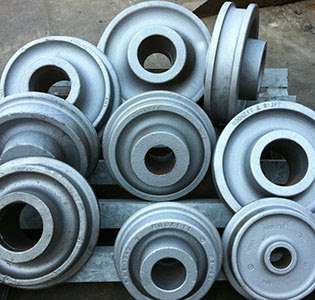
Material plays a crucial role in durability and performance. Forged steel wheels are widely preferred in the mining industry because they offer:
High strength and impact resistance
Superior durability under heavy loads
Resistance to cracking and deformation
Compared to cast wheels, forged steel provides better structural integrity, making it ideal for demanding environments.
3. Flange Design for Stability
Most mine cart wheels come with a flanged design, which helps keep the cart aligned on rails.
Benefits of flanged wheels:
Prevent derailment
Improve directional stability
Reduce wear on rail tracks
When selecting wheels, ensure the flange dimensions match your rail specifications to avoid operational issues.
4. Operating Environment Conditions
Mining environments can be harsh, with exposure to:
Moisture and corrosion
Extreme temperatures
Dust and debris
Choose wheels that are designed for your specific environment. For example:
Corrosion-resistant coatings for wet conditions
Heat-resistant materials for high-temperature operations
Sealed designs to prevent debris buildup
5. Wheel Diameter and Size
The size of the wheel affects both performance and efficiency.
Larger wheels:
Roll more smoothly over uneven tracks
Reduce rolling resistance
Smaller wheels:
May be suitable for compact systems
Offer better maneuverability in tight spaces
Always match the wheel size with your rail system and cart design.
6. Maintenance and Longevity
Maintenance is a major cost factor in mining operations. Choosing wheels that require minimal upkeep can significantly reduce long-term expenses.
Look for features like:
Wear-resistant surfaces
High-quality machining for precision fit
Durable coatings such as industrial powder coating
Regular inspection and proper lubrication also play a key role in extending wheel life.
7. Customization and Fabrication Options
Not all mining operations are the same. In many cases, custom metal fabrication is necessary to meet specific requirements.
Custom solutions allow you to:
Match exact load specifications
Fit unique rail systems
Optimize performance for specific applications
Working with an experienced manufacturer ensures that your wheels are tailored to your operational needs.
Common Mistakes to Avoid
When choosing mine cart wheels, avoid these common pitfalls:
Ignoring load requirements: Leads to early failure
Choosing low-cost over quality: Results in higher long-term costs
Mismatched wheel and rail specifications: Causes inefficiency and safety risks
Neglecting environmental factors: Accelerates wear and corrosion
Making informed decisions up front can save significant time and money later.
Benefits of Choosing the Right Mine Cart Wheels
Investing in the right wheels offers several long-term advantages:
Improved operational efficiency: Smooth transport reduces delays
Enhanced safety: Reliable wheels minimize accidents
Lower maintenance costs: Durable materials reduce replacements
Increased productivity: Less downtime means higher output
For mining operations in the USA, where productivity and safety standards are high, these benefits are essential.
How to Evaluate a Reliable Manufacturer
Choosing the right supplier is just as important as selecting the right wheel.
Look for manufacturers who offer:
Proven industry experience
Advanced manufacturing capabilities
High-quality materials like forged steel
Custom fabrication options
Strict quality control standards
A trusted manufacturer will not only supply wheels but also guide you in selecting the best solution for your operation.
Final Thought
Choosing the right mine cart wheels is a vital step in optimizing your mining operation. From load capacity and material selection to environmental considerations and customization, every factor plays a role in ensuring efficiency, safety, and long-term reliability.
By focusing on quality, precision, and proper fit, you can significantly improve your operation’s performance while reducing costs and downtime.
If you’re looking for high-quality, durable, and precision-engineered mine cart wheels, explore the solutions offered by Rockett Incorporated. With decades of expertise in custom metal fabrication and industrial manufacturing, they can help you find the right fit for your mining needs.

Comments
Post a Comment